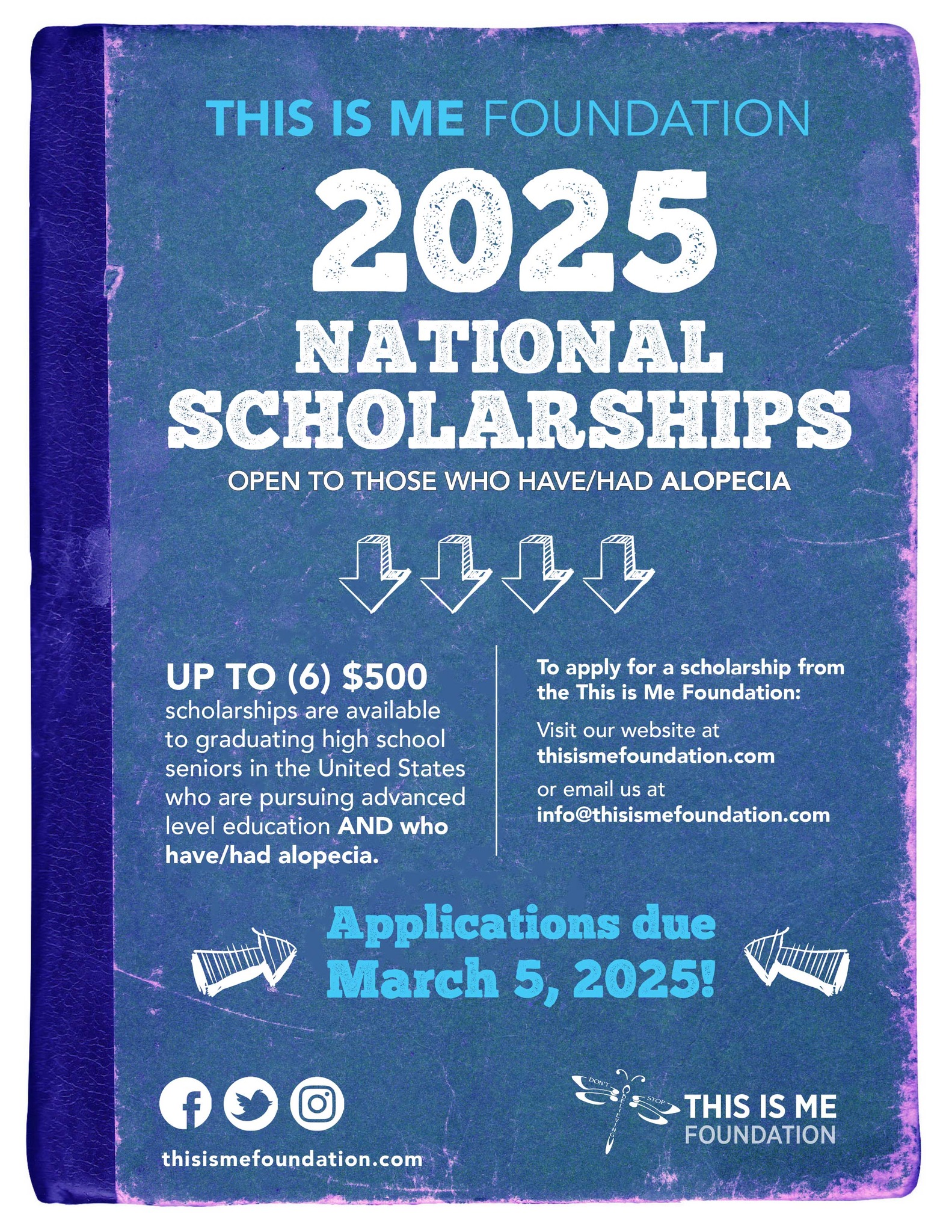
Alopecia Areata Scholarships
Alopecia Areata Scholarships - Diagnosis of alopecia areata doctors usually diagnose alopecia areata by: Es una enfermedad que ataca los folículos pilosos (las estructuras de la piel que producen el pelo). Learn more about the causes & risk factors. You might be able to reverse hair loss, or at least slow it. Alopecia areata is an autoimmune disorder leading to hair loss. Examining your hair and hair follicle. With some conditions, such as patchy hair loss (alopecia areata), hair may regrow without treatment within a year. Hair loss (alopecia) can affect just your scalp or your entire body, and it can be temporary or permanent. Este trastorno se llama alopecia androgénica, calvicie de patrón masculino o calvicie de patrón femenino. Diagnóstico de la alopecia areata por lo general, los médicos diagnostican la alopecia areata haciendo lo siguiente: Examinan las zonas de caída del pelo y observan las uñas. Por lo general, se produce progresivamente y en patrones. With some conditions, such as patchy hair loss (alopecia areata), hair may regrow without treatment within a year. Alopecia areata is an autoimmune disorder leading to hair loss. Examining the areas where the hair has been lost and looking at your nails. Learn more about the causes & risk factors. Anagen and telogen shedding generally stops in time early treatment of pattern alopecia may reduce the speed of thinning treatment of any inflammatory. En la mayoría de los casos, el pelo se cae en mechones. The lifetime risk of alopecia areata is approximately 2% and it can affect children and adults of all skin and hair colours. Alopecia areata is an autoimmune disease that causes hair loss, mostly in small, round patches. With some conditions, such as patchy hair loss (alopecia areata), hair may regrow without treatment within a year. Hair loss (alopecia) can affect just your scalp or your entire body, and it can be temporary or permanent. Este trastorno se llama alopecia androgénica, calvicie de patrón masculino o calvicie de patrón femenino. ¿qué es la alopecia areata? Diagnóstico de la. Examining the areas where the hair has been lost and looking at your nails. En la mayoría de los casos, el pelo se cae en mechones. ¿qué es la alopecia areata? Este trastorno se llama alopecia androgénica, calvicie de patrón masculino o calvicie de patrón femenino. Learn more about the causes & risk factors. With some conditions, such as patchy hair loss (alopecia areata), hair may regrow without treatment within a year. Examining your hair and hair follicle. You might be able to reverse hair loss, or at least slow it. The lifetime risk of alopecia areata is approximately 2% and it can affect children and adults of all skin and hair colours. Examining. The lifetime risk of alopecia areata is approximately 2% and it can affect children and adults of all skin and hair colours. It can be the result of heredity, hormonal changes, medical. With some conditions, such as patchy hair loss (alopecia areata), hair may regrow without treatment within a year. Alopecia areata is an autoimmune disorder leading to hair loss.. Alopecia areata is an autoimmune disease that causes hair loss, mostly in small, round patches. Diagnóstico de la alopecia areata por lo general, los médicos diagnostican la alopecia areata haciendo lo siguiente: Anagen and telogen shedding generally stops in time early treatment of pattern alopecia may reduce the speed of thinning treatment of any inflammatory. ¿qué es la alopecia areata?. Diagnosis of alopecia areata doctors usually diagnose alopecia areata by: Alopecia areata is an autoimmune disorder leading to hair loss. En algunas afecciones, como la caída del cabello irregular (alopecia areata), el cabello puede volver a crecer sin tratamiento en el plazo de un año. The lifetime risk of alopecia areata is approximately 2% and it can affect children and. Learn more about the causes & risk factors. With some conditions, such as patchy hair loss (alopecia areata), hair may regrow without treatment within a year. Examinan las zonas de caída del pelo y observan las uñas. Anagen and telogen shedding generally stops in time early treatment of pattern alopecia may reduce the speed of thinning treatment of any inflammatory.. Este trastorno se llama alopecia androgénica, calvicie de patrón masculino o calvicie de patrón femenino. Learn more about the causes & risk factors. Diagnosis of alopecia areata doctors usually diagnose alopecia areata by: Por lo general, se produce progresivamente y en patrones. En la mayoría de los casos, el pelo se cae en mechones. Este trastorno se llama alopecia androgénica, calvicie de patrón masculino o calvicie de patrón femenino. It can be the result of heredity, hormonal changes, medical. En la mayoría de los casos, el pelo se cae en mechones. The lifetime risk of alopecia areata is approximately 2% and it can affect children and adults of all skin and hair colours. Alopecia. Anagen and telogen shedding generally stops in time early treatment of pattern alopecia may reduce the speed of thinning treatment of any inflammatory. You might be able to reverse hair loss, or at least slow it. Learn more about the causes & risk factors. Es una enfermedad que ataca los folículos pilosos (las estructuras de la piel que producen el. Alopecia areata is an autoimmune disorder leading to hair loss. Examinan las zonas de caída del pelo y observan las uñas. Anagen and telogen shedding generally stops in time early treatment of pattern alopecia may reduce the speed of thinning treatment of any inflammatory. Es una enfermedad que ataca los folículos pilosos (las estructuras de la piel que producen el pelo). Diagnosis of alopecia areata doctors usually diagnose alopecia areata by: You might be able to reverse hair loss, or at least slow it. Este trastorno se llama alopecia androgénica, calvicie de patrón masculino o calvicie de patrón femenino. Alopecia areata is an autoimmune disease that causes hair loss, mostly in small, round patches. Examining the areas where the hair has been lost and looking at your nails. ¿qué es la alopecia areata? Learn more about the causes & risk factors. Diagnóstico de la alopecia areata por lo general, los médicos diagnostican la alopecia areata haciendo lo siguiente: Examining your hair and hair follicle. En algunas afecciones, como la caída del cabello irregular (alopecia areata), el cabello puede volver a crecer sin tratamiento en el plazo de un año. Por lo general, se produce progresivamente y en patrones. En la mayoría de los casos, el pelo se cae en mechones.Facebook
Faces of Alopecia Areata. Australia Alopecia Areata Foundation Inc

Alopecia Areata Causes, Symptoms & Treatment USHC

Australia Alopecia Areata Foundation Official website

Alopecia Areata Causes, Symptoms, Types, Treatment & FAQs Kaya

Currently seeking adult participants for clinical trial in subjects

Preparing for Back to School Insights from a Teen & Young Adult Panel
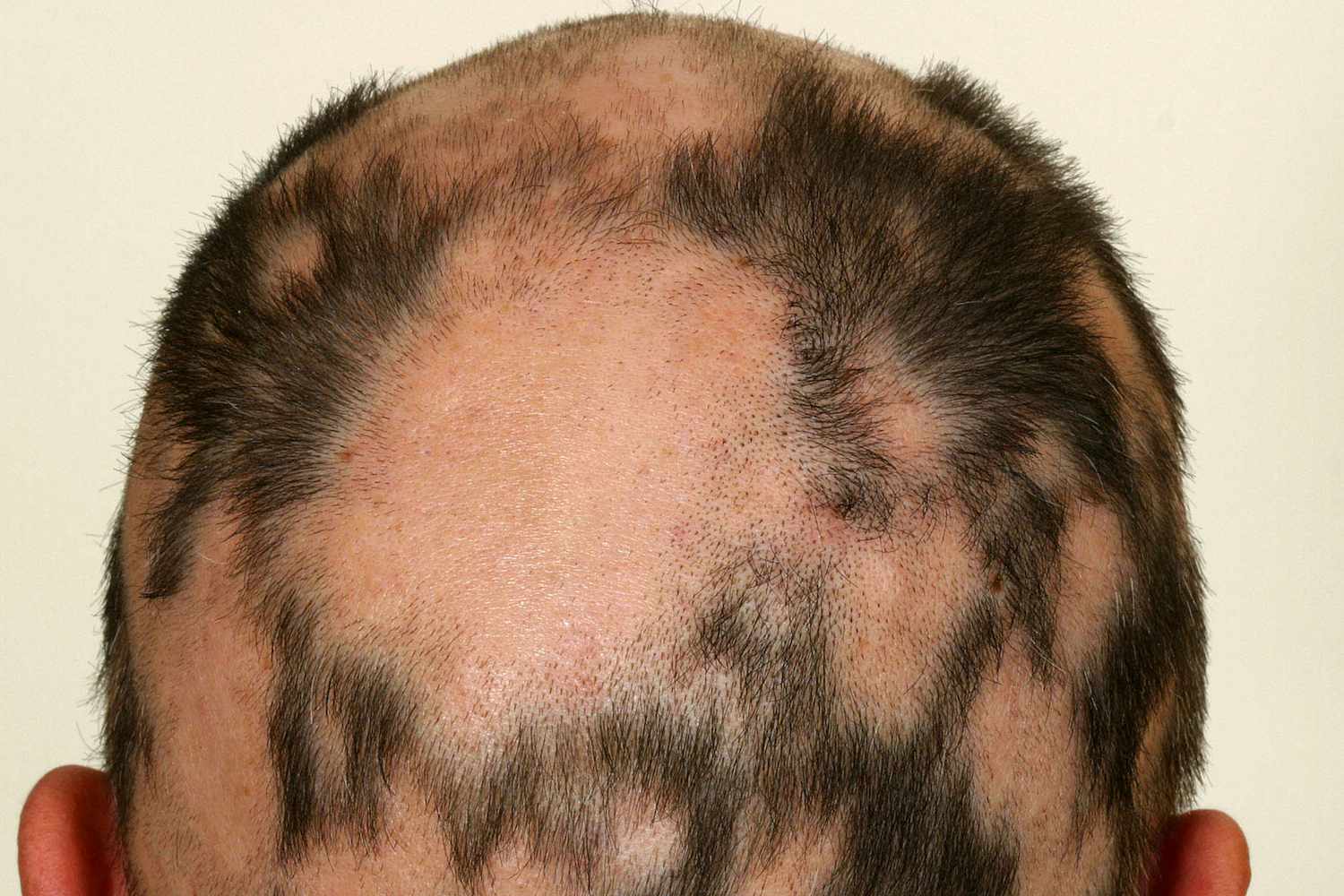
European Commission Grants Approval of Ritlecitinib for Severe Alopecia
On our free January Webinar, we are delighted to feature Dr. Brittany
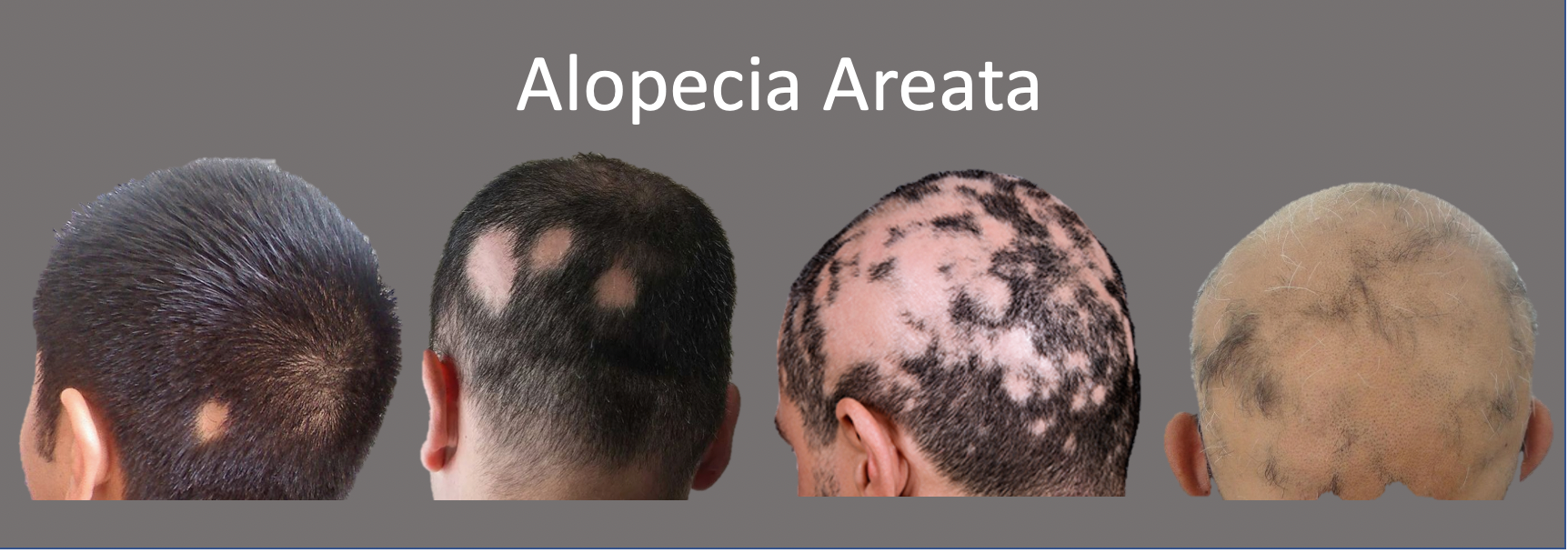
Alopecia Areata Medicina de Excelência
It Can Be The Result Of Heredity, Hormonal Changes, Medical.
With Some Conditions, Such As Patchy Hair Loss (Alopecia Areata), Hair May Regrow Without Treatment Within A Year.
The Lifetime Risk Of Alopecia Areata Is Approximately 2% And It Can Affect Children And Adults Of All Skin And Hair Colours.
Hair Loss (Alopecia) Can Affect Just Your Scalp Or Your Entire Body, And It Can Be Temporary Or Permanent.
Related Post: