
Promise Scholarship Georgia
Promise Scholarship Georgia - I have a promise object and two console.log() on either side of the. Whether it's an es6 promise or a bluebird promise, q promise, etc. I am trying to wrap my head around promise object in javascript. The operation behaves as though set_value, set_exception, set_value_at_thread_exit, and set_exception_at_thread_exit acquire a single mutex. I'm trying to learn what promise is, so i started following this guide. How do i test to see if a given object is a promise? This might seem a silly question but i am a newbie in this topic. Then, promise<{}> is compatible with promise, because basically the only property a promise has is then method, and then is compatible in these two promise types. The promise resolution procedure is an abstract operation taking as input a promise and a value, which we denote as [ [resolve]] (promise, x). The class template std::promise provides a facility to store a value or an exception that is later acquired asynchronously via a std::future object created by the std::promise object. The class template std::promise provides a facility to store a value or an exception that is later acquired asynchronously via a std::future object created by the std::promise object. Whether it's an es6 promise or a bluebird promise, q promise, etc. I'm trying to learn what promise is, so i started following this guide. I copied this code from the guide and tried it in my developer console: The promise resolution procedure is an abstract operation taking as input a promise and a value, which we denote as [ [resolve]] (promise, x). This might seem a silly question but i am a newbie in this topic. Then, promise<{}> is compatible with promise, because basically the only property a promise has is then method, and then is compatible in these two promise types. I am working with promises on nodejs and i want to pass a parameter to a promise function. I was reading the mdn's manual on promise, and i found these two methods which seem similar to me: So here i have this little piece of code. I'm trying to learn what promise is, so i started following this guide. How do i test to see if a given object is a promise? I was reading the mdn's manual on promise, and i found these two methods which seem similar to me: I am trying to wrap my head around promise object in javascript. The class template. I have a promise object and two console.log() on either side of the. How do i test to see if a given object is a promise? This might seem a silly question but i am a newbie in this topic. So here i have this little piece of code. The operation behaves as though set_value, set_exception, set_value_at_thread_exit, and set_exception_at_thread_exit acquire. So here i have this little piece of code. I'm trying to learn what promise is, so i started following this guide. I copied this code from the guide and tried it in my developer console: The operation behaves as though set_value, set_exception, set_value_at_thread_exit, and set_exception_at_thread_exit acquire a single mutex. I am trying to wrap my head around promise object. I copied this code from the guide and tried it in my developer console: I am working with promises on nodejs and i want to pass a parameter to a promise function. The promise resolution procedure is an abstract operation taking as input a promise and a value, which we denote as [ [resolve]] (promise, x). I was reading the. I was reading the mdn's manual on promise, and i found these two methods which seem similar to me: The class template std::promise provides a facility to store a value or an exception that is later acquired asynchronously via a std::future object created by the std::promise object. The operation behaves as though set_value, set_exception, set_value_at_thread_exit, and set_exception_at_thread_exit acquire a single. I'm trying to learn what promise is, so i started following this guide. The operation behaves as though set_value, set_exception, set_value_at_thread_exit, and set_exception_at_thread_exit acquire a single mutex. So here i have this little piece of code. I am trying to wrap my head around promise object in javascript. Then, promise<{}> is compatible with promise, because basically the only property a. I was reading the mdn's manual on promise, and i found these two methods which seem similar to me: The class template std::promise provides a facility to store a value or an exception that is later acquired asynchronously via a std::future object created by the std::promise object. I am trying to wrap my head around promise object in javascript. This. I have a promise object and two console.log() on either side of the. I am trying to wrap my head around promise object in javascript. I'm trying to learn what promise is, so i started following this guide. Then, promise<{}> is compatible with promise, because basically the only property a promise has is then method, and then is compatible in. This might seem a silly question but i am a newbie in this topic. Then, promise<{}> is compatible with promise, because basically the only property a promise has is then method, and then is compatible in these two promise types. If x is a thenable, it attempts to make promise. The class template std::promise provides a facility to store a. Whether it's an es6 promise or a bluebird promise, q promise, etc. The promise resolution procedure is an abstract operation taking as input a promise and a value, which we denote as [ [resolve]] (promise, x). I was reading the mdn's manual on promise, and i found these two methods which seem similar to me: If x is a thenable,. I copied this code from the guide and tried it in my developer console: If x is a thenable, it attempts to make promise. This might seem a silly question but i am a newbie in this topic. Then, promise<{}> is compatible with promise, because basically the only property a promise has is then method, and then is compatible in these two promise types. I was reading the mdn's manual on promise, and i found these two methods which seem similar to me: Whether it's an es6 promise or a bluebird promise, q promise, etc. I'm trying to learn what promise is, so i started following this guide. The class template std::promise provides a facility to store a value or an exception that is later acquired asynchronously via a std::future object created by the std::promise object. How do i test to see if a given object is a promise? I am working with promises on nodejs and i want to pass a parameter to a promise function. So here i have this little piece of code. I have a promise object and two console.log() on either side of the.
New Promise Scholarship Application Launches March 1

Promise Scholarship Access Achieve Succeed

Promise Scholarship application closes today

Promise Scholarship Application My Scholar HQ
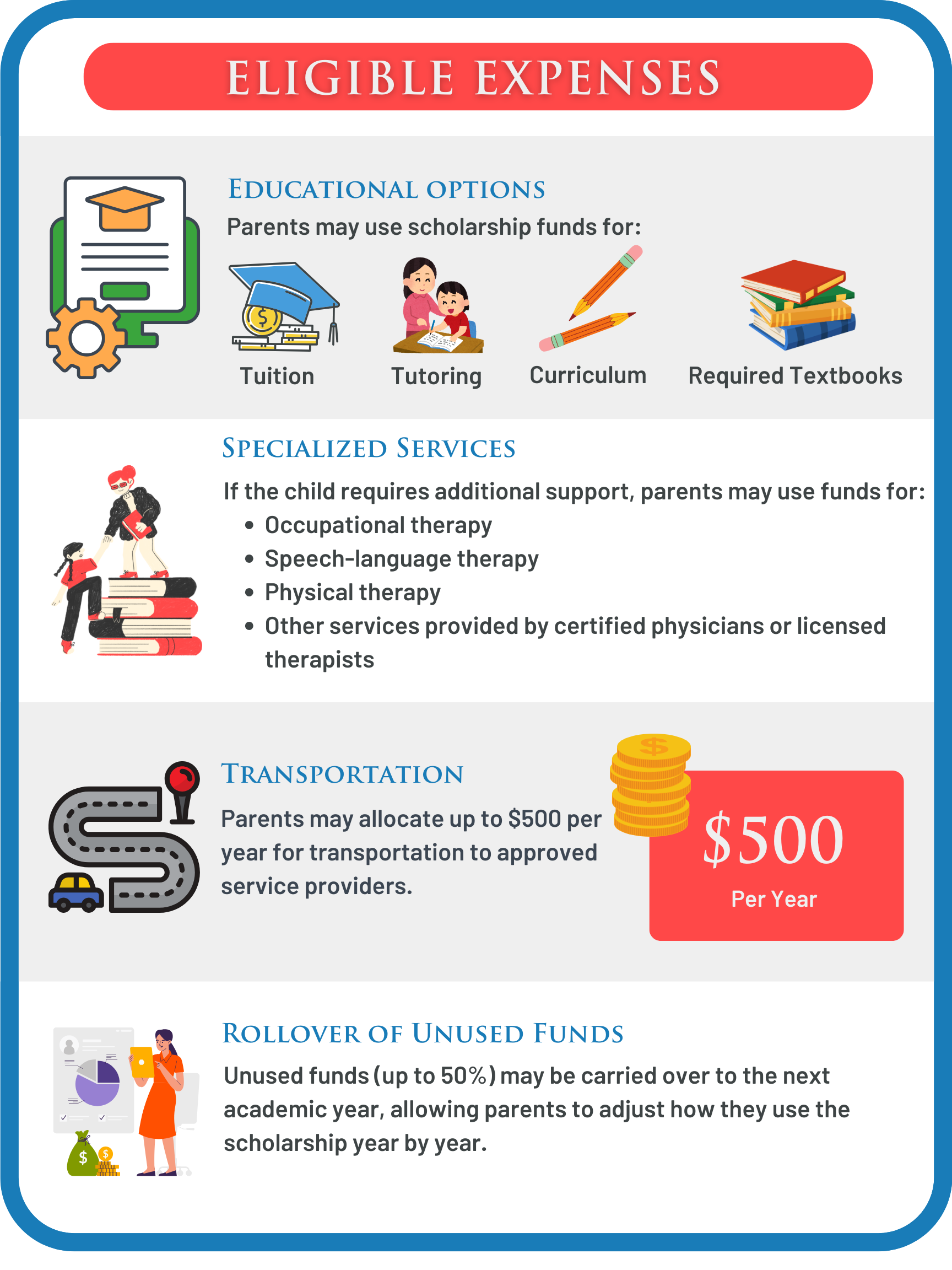
Promise Scholarship Access Achieve Succeed

Promise Scholarship Access Achieve Succeed
Promise Scholarship • Instagram photos and

Promise Scholarship Details Explained Navigate School Choice

Promise Scholarship Access Achieve Succeed
Promise Scholarship • Instagram photos and
The Promise Resolution Procedure Is An Abstract Operation Taking As Input A Promise And A Value, Which We Denote As [ [Resolve]] (Promise, X).
The Operation Behaves As Though Set_Value, Set_Exception, Set_Value_At_Thread_Exit, And Set_Exception_At_Thread_Exit Acquire A Single Mutex.
I Am Trying To Wrap My Head Around Promise Object In Javascript.
Related Post:

