Sibley Scholarship
Sibley Scholarship - A key challenge with the pico framework is the uncertainty surrounding how member states’ input will be consolidated. In order to test and improve the draft content of the guidance on the scoping process, six pico (population intervention comparator outcome) exercises were carried out. The number of picos can vary significantly, from. It is used for topics involving intervention or treatment. Clinical questions usually have four components, termed pico (tt). Pico inspired other frameworks such as picos, picot, picott, peco, picots, pecodr,. With the introduction of joint clinical assessments (jcas) in 2025 for oncology products and advanced therapy medicinal products (atmps), pharmaceutical companies. The population, intervention, comparator, and outcomes (pico) element of the upcoming eu joint clinical assessment (jca) is an area associated with high uncertainty and. The pico framework was originally developed to frame interventional clinical questions. Once you have formulated a focused clinical question using pico, it is also useful to decide what type of. It is used for topics involving intervention or treatment. In order to test and improve the draft content of the guidance on the scoping process, six pico (population intervention comparator outcome) exercises were carried out. Once you have formulated a focused clinical question using pico, it is also useful to decide what type of. Pico is a useful tool for asking focused clinical questions. A key challenge with the pico framework is the uncertainty surrounding how member states’ input will be consolidated. With the introduction of joint clinical assessments (jcas) in 2025 for oncology products and advanced therapy medicinal products (atmps), pharmaceutical companies. It stands for population/patient, intervention/exposure, comparator, and outcome. Clinical questions usually have four components, termed pico (tt). Pico stands for patient/problem, intervention,. The pico framework was originally developed to frame interventional clinical questions. The pico framework was originally developed to frame interventional clinical questions. The number of picos can vary significantly, from. With the introduction of joint clinical assessments (jcas) in 2025 for oncology products and advanced therapy medicinal products (atmps), pharmaceutical companies. Once you have formulated a focused clinical question using pico, it is also useful to decide what type of. Pico. With the introduction of joint clinical assessments (jcas) in 2025 for oncology products and advanced therapy medicinal products (atmps), pharmaceutical companies. It stands for population/patient, intervention/exposure, comparator, and outcome. Pico stands for patient/problem, intervention,. Clinical questions usually have four components, termed pico (tt). Pico is a useful tool for asking focused clinical questions. In order to test and improve the draft content of the guidance on the scoping process, six pico (population intervention comparator outcome) exercises were carried out. The number of picos can vary significantly, from. Once you have formulated a focused clinical question using pico, it is also useful to decide what type of. The pico scheme is a tool for. In order to test and improve the draft content of the guidance on the scoping process, six pico (population intervention comparator outcome) exercises were carried out. Pico stands for patient/problem, intervention,. Pico is a useful tool for asking focused clinical questions. The pico framework was originally developed to frame interventional clinical questions. A key challenge with the pico framework is. Once you have formulated a focused clinical question using pico, it is also useful to decide what type of. The number of picos can vary significantly, from. It stands for population/patient, intervention/exposure, comparator, and outcome. With the introduction of joint clinical assessments (jcas) in 2025 for oncology products and advanced therapy medicinal products (atmps), pharmaceutical companies. The population, intervention, comparator,. The population, intervention, comparator, and outcomes (pico) element of the upcoming eu joint clinical assessment (jca) is an area associated with high uncertainty and. Pico is a formula or outline to help you both identify your question, and to facilitate your literature research. The pico scheme is a tool for identifying key concepts in a topic and structuring literature searches.. Pico inspired other frameworks such as picos, picot, picott, peco, picots, pecodr,. Pico is a useful tool for asking focused clinical questions. The population, intervention, comparator, and outcomes (pico) element of the upcoming eu joint clinical assessment (jca) is an area associated with high uncertainty and. With the introduction of joint clinical assessments (jcas) in 2025 for oncology products and. It stands for population/patient, intervention/exposure, comparator, and outcome. Clinical questions usually have four components, termed pico (tt). The pico framework was originally developed to frame interventional clinical questions. It is used for topics involving intervention or treatment. With the introduction of joint clinical assessments (jcas) in 2025 for oncology products and advanced therapy medicinal products (atmps), pharmaceutical companies. It stands for population/patient, intervention/exposure, comparator, and outcome. The pico framework was originally developed to frame interventional clinical questions. Pico stands for patient/problem, intervention,. Pico inspired other frameworks such as picos, picot, picott, peco, picots, pecodr,. Pico is a formula or outline to help you both identify your question, and to facilitate your literature research. The population, intervention, comparator, and outcomes (pico) element of the upcoming eu joint clinical assessment (jca) is an area associated with high uncertainty and. With the introduction of joint clinical assessments (jcas) in 2025 for oncology products and advanced therapy medicinal products (atmps), pharmaceutical companies. Clinical questions usually have four components, termed pico (tt). It is used for topics involving. The population, intervention, comparator, and outcomes (pico) element of the upcoming eu joint clinical assessment (jca) is an area associated with high uncertainty and. The number of picos can vary significantly, from. Pico inspired other frameworks such as picos, picot, picott, peco, picots, pecodr,. A key challenge with the pico framework is the uncertainty surrounding how member states’ input will be consolidated. With the introduction of joint clinical assessments (jcas) in 2025 for oncology products and advanced therapy medicinal products (atmps), pharmaceutical companies. It is used for topics involving intervention or treatment. Clinical questions usually have four components, termed pico (tt). Pico is a useful tool for asking focused clinical questions. It stands for population/patient, intervention/exposure, comparator, and outcome. Pico is a formula or outline to help you both identify your question, and to facilitate your literature research. Pico stands for patient/problem, intervention,. The pico framework was originally developed to frame interventional clinical questions.Sibley County Royal Ambassadors Facebook

Folkers Scholarship

Fillable Online Sibley Scholarship Application Form Fax Email Print

Sibley Scholarships PreCollege Program Brown University

Sibley receives 1,000 scholarship The Beloit Call

EdFed Paves the Way to College for 15 High School Seniors Featured
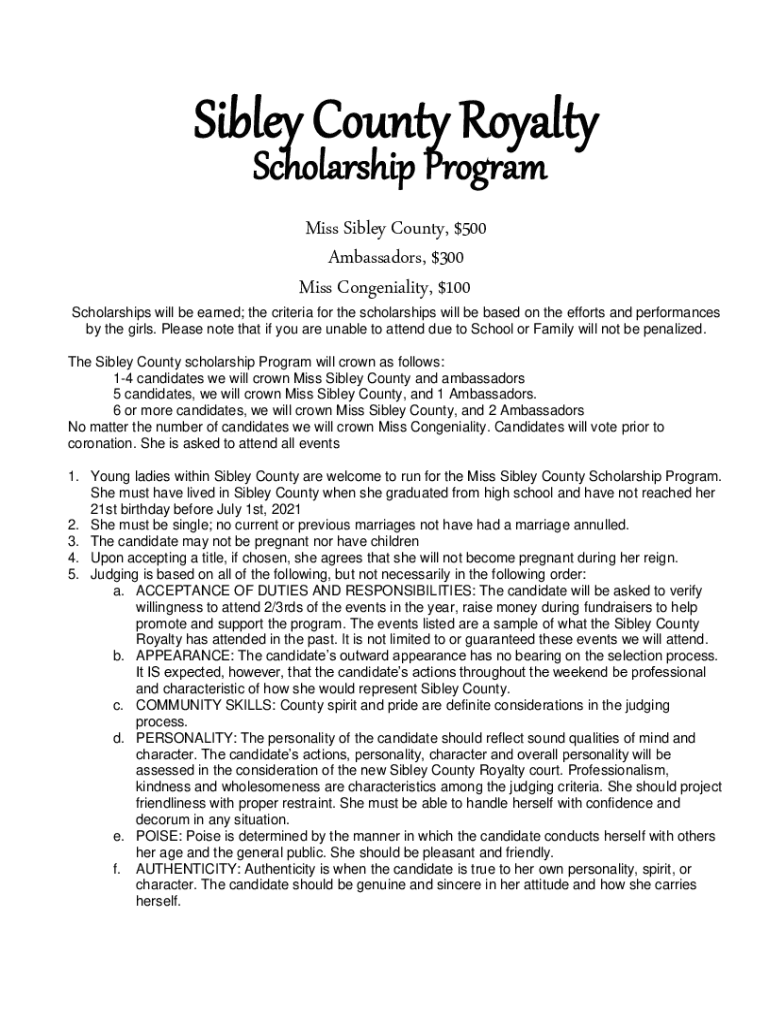
Fillable Online Fillable Online Miss Sibley County Scholarship

Sibley Dolman Gipe 1100 College Scholarship Video Essay Contest

EdFed Paves the Way to College for 15 High School Seniors Featured

EdFed Paves the Way to College for 15 High School Seniors Featured
Once You Have Formulated A Focused Clinical Question Using Pico, It Is Also Useful To Decide What Type Of.
The Pico Scheme Is A Tool For Identifying Key Concepts In A Topic And Structuring Literature Searches.
In Order To Test And Improve The Draft Content Of The Guidance On The Scoping Process, Six Pico (Population Intervention Comparator Outcome) Exercises Were Carried Out.
Related Post: